
Categories
Park CityPublished November 19, 2025
Best Neighborhoods in Park City, UT

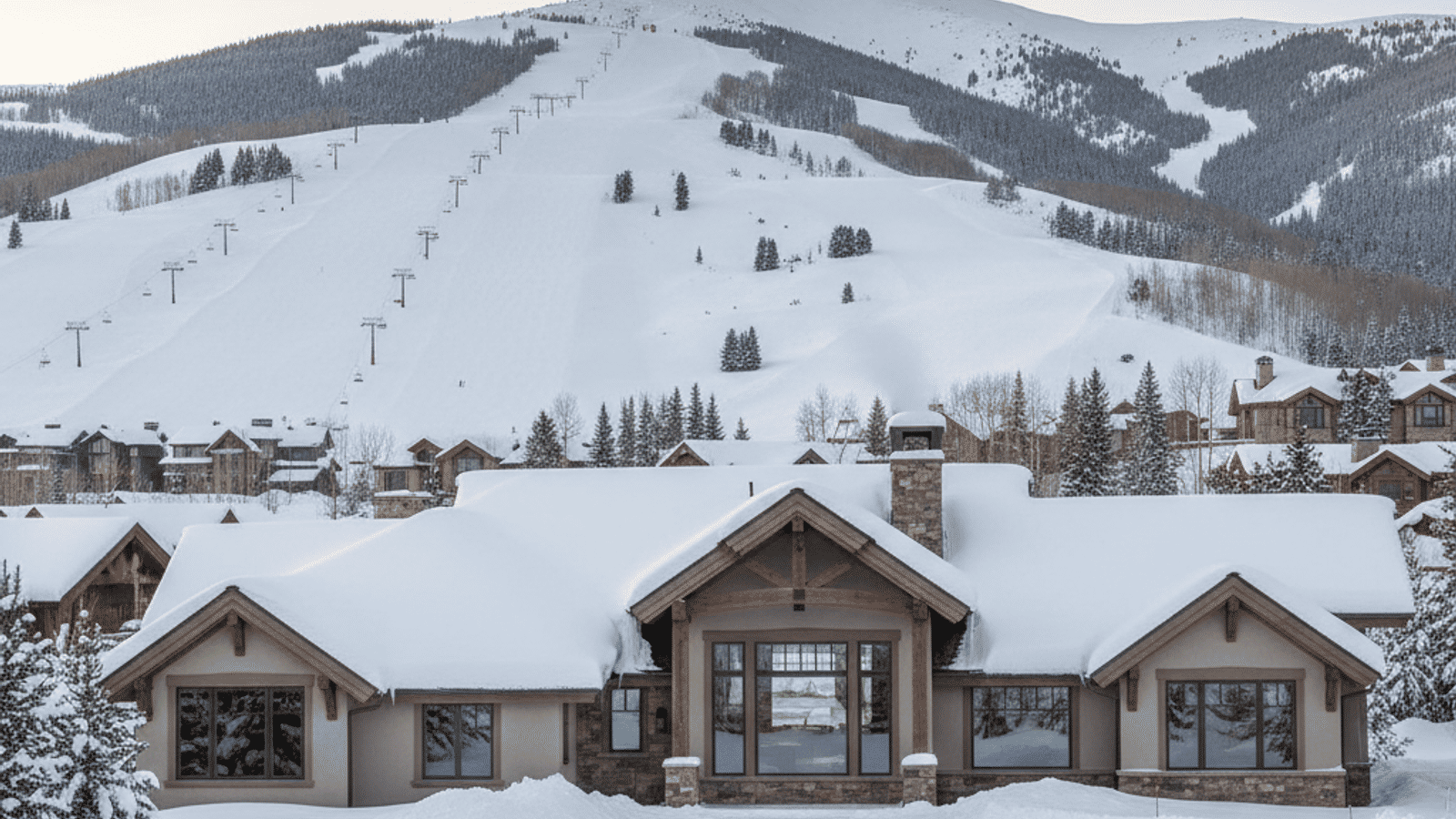
Park City packs a lot into a compact mountain town: historic Main Street, two world-class ski resorts, and neighborhoods that range from walkable condo enclaves to gated estate communities.
This guide walks through why Park City draws people who want a ski resort lifestyle and strong outdoor access, then digs into the neighborhoods buyers are looking at when searching for homes for sale in Park City.
Why Is Park City a Desirable Place to Live?
Park City’s reputation rests on two straightforward facts: access to big-mountain skiing and a dense network of trails and outdoor recreation. Park City Mountain and the historic Deer Valley Resort anchor winter activities and support a year-round scene of biking, hiking, and events that keep the town active outside ski season. Park City Mountain is the largest ski area in the U.S.
The local real estate market reflects that recreational premium. As of October 2025 the broader Park City market showed a median sale price in the multiple millions, highlighting how resort proximity and specialty housing (ski-in condos, gated estates, and country-club homes) push prices well above Utah state averages. Use market numbers as a directional signal rather than an exact budget; inventory and micro-markets vary sharply between Old Town condos and private gated communities.
Practical amenities matter too. Park City provides local transit inside city limits, trails that connect neighborhoods to downtown, and municipal services sized for a tourism-driven town; those planning daily commutes will also note the roughly 30–40 mile drive to downtown Salt Lake City depending on route and conditions. The city publishes transit and neighborhood planning resources that help residents understand travel options and neighborhood traffic programs.
What Are the Top 5 Most Popular Neighborhoods in Park City?
Below are five neighborhoods buyers search for most often. Each section gives the neighborhood character, typical housing types, price context, and what living in Park City feels like.
Old Town
Old Town centers on historic Main Street and the blocks that slope down toward Park City Mountain. Character is predominantly walkable and compact, with a mix of Victorian-era buildings, converted mining-era homes, and a high percentage of condos and townhomes geared to short-term rentals and second-home owners. Housing types range from small studio condos to multi-level townhomes and a scattering of restored single-family cottages.
What makes Old Town unique is immediate access to slopes and nightlife. People who want to walk from their front door to Park City Mountain, restaurants, and galleries choose Old Town. Expect smaller footprints and premium per-square-foot pricing compared with outlying neighborhoods; condos and townhomes commonly dominate the inventory and often trade at a premium because of location and ski access. For buyers prioritizing walkable downtown life and instant slope access, Old Town delivers the ski resort lifestyle in concentrated form.
Deer Valley (including Deer Crest and Lower Deer)
Deer Valley and its enclave communities like Deer Crest sit on the opposite side of the mountain from Park City Mountain. The area is famous for immaculate grooming, private ski-in options, and high-end mountain homes. Housing types are primarily single-family estates, ski-in/ski-out chalets, and luxury townhomes within guarded or gated pockets.
Deer Valley properties skew toward the luxury end of the market, with many homes and estates priced firmly in the multiple millions due to ski access, slope-side lots, and private amenities. Buyers seeking the most polished resort experience—private lifts, concierge-style services, and tight HOA controls—often look here first. The neighborhood’s quieter, more exclusive character makes it distinct from the bustle of Old Town.
Park Meadows (Park Meadows Country Club)
Park Meadows is a suburban, country-club style community south of central Park City. The Park Meadows Country Club anchors the neighborhood and supplies a Jack Nicklaus–designed golf course, pool, and clubhouse programming. Character here skews toward single-family homes, estate lots, and planned subdivisions, many of which provide long sightlines to the Wasatch Mountains and mature pine stands.
Buyers who prioritize a golf course community, neighborhood parks, and a more suburban layout choose Park Meadows. Park Meadows Country Club facilities and membership structure set the tone for neighborhood life and local events. Expect larger lot sizes and homes that trade at a premium for privacy, golf-course frontage, and community amenities.
Kimball Junction and Prospector
Kimball Junction and the nearby Prospector area sit along U.S. 40 and the SR-224 corridor and function as Park City’s commercial and transportation hub. Housing in Kimball Junction and Prospector mixes newer condos, multi-family developments, and single-family neighborhoods designed for commuters and workers who need quick access to Salt Lake City or to highway connections.
These neighborhoods are often the most convenient for everyday errands, shopping, and transit. Kimball Junction contains retail, grocery, and medical services, while Prospector offers transit connections and newer residential projects that provide more affordable entry points into the Park City real estate market. Buyers balancing daily convenience, easy highway access, and proximity to employment centers tend to favor this corridor.
Jeremy Ranch and Pinebrook
Jeremy Ranch and Pinebrook sit at Park City’s northern edge and present a more residential, alpine-suburban feel. The area includes single-family homes, ranch-style properties, and townhome clusters set against the backdrop of tall pines and rolling foothills. Jeremy Ranch offers easy access to I-80 and is attractive for buyers who want quieter neighborhoods with straightforward driving access to both Park City and commuting routes.
Homes here tend toward larger lots and a neighborhood rhythm that emphasizes outdoor living—backyard access, trailheads nearby, and local parks. Buyers seeking a relaxed layout without the downtown density often prefer these parts of town while still staying within reasonable distance of the ski areas.
What Are Some Up and Coming Neighborhoods in Park City?
Park City continues to see infill and new development along the Canyons Village corridor and in targeted pockets around Kimball Junction. Mixed-use projects and newer condo complexes aimed at seasonal- and year-round residents are expanding inventory and offering alternatives to core Old Town properties. The Canyons Village area, in particular, has seen concentrated development tied to resort improvements and lifts, which brings more modern condos and townhomes to market near ski access.
Beyond new build, formerly under-the-radar pockets like parts of Silver Springs and sections near the rail-trail are showing renewed interest from buyers drawn by trail connectivity and slightly lower price points versus the most central neighborhoods. These places often appeal to buyers who want access to biking trails and trailhead connectivity without the premium price attached to slope-front properties.
How to Decide on the Right Neighborhood For You?
Start by listing the amenities and daily patterns that matter most: Do you want walkable access to downtown, or do you prefer a private home with a large lot and golf-course views? Consider commute patterns to work or school, how often you plan to use the ski areas, and whether you need year-round access versus seasonal use. If proximity to Park City Mountain or Deer Valley is a priority, be prepared for a premium on price and limited inventory.
Verify transportation and seasonal considerations. Park City publishes transit routes, neighborhood traffic programs, and parking plans that affect behavior in peak seasons; neighborhoods near Kimball Junction offer better grocery and service access, while Old Town gives the shortest walk to Main Street and slope access.
FAQs
What types of homes for sale are most common in Park City?
Park City’s housing stock includes everything from condos and ski-in townhomes to single-family homes and large estates. Old Town favors condos and townhomes, Kimball Junction and Prospector include newer multi-family projects, and Deer Valley and Park Meadows tend to have larger single-family houses and estate properties.
How close is Park City to Salt Lake City for commuting?
Park City sits roughly 30–40 miles from downtown Salt Lake City depending on route. Seasonal weather and traffic on I-80 can affect travel times, so commuters should measure winter drive times during a typical snow event and consider transit or remote-work patterns.
Do neighborhoods in Park City have neighborhood parks and trails?
Yes. Park City emphasizes trail connectivity and neighborhood parks. Many neighborhoods are centered around biking trails, rail-trail access, and open space that supports year-round recreation. Trails are often the most direct way to compare lifestyle fit between neighborhoods.
Are there gated golf course communities in Park City?
Yes. Park Meadows and certain private enclaves around Deer Crest are examples of country-club or gated golf course communities. These neighborhoods offer private amenities and larger lots, and membership structures can influence both lifestyle and HOA expectations.
Is it practical to own a second home in Park City and rent it seasonally?
Many Park City homes act as second homes and short-term rentals, particularly in Old Town, near Canyons Village, and in parts of Kimball Junction. Regulations on short-term rentals are enforced by the city; prospective owners should review nightly rental rules and HOA policies before purchasing.
What neighborhoods offer the best views of the Wasatch Mountains?
Higher-elevation neighborhoods such as Deer Crest, parts of Park Meadows, and Summit Park provide broad views of the Wasatch Mountains. Lot orientation and tree cover can affect sightlines, so in-person visits and parcel-level checks matter when view is a primary requirement.
How do I compare walkable neighborhoods versus ski-in living?
Walkable neighborhoods like Old Town put shops and slopes a short walk away and concentrate higher per-square-foot prices. Ski-in living often includes more unique and specialized properties or gated access communities in Deer Valley or portions of Canyons Village. These properties usually sell at a premium.


or another way